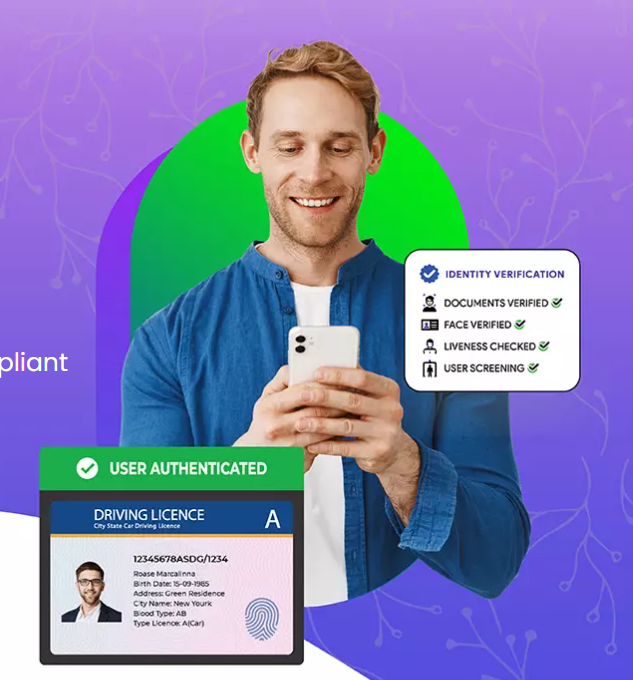

In today’s digital world, businesses face increasing risks of fraud, data theft, and identity misuse. As online transactions grow, companies must verify users in a secure and reliable way. This is where identity verification services and voice verification systems play an important role. They help organisations confirm who a user is, prevent fraudulent activities, and create a safer digital environment.
What Are Identity Verification Services?
Identity verification services are solutions that confirm a person’s identity using digital technology. They check official documents, cross-verify user information, and ensure that the person behind the screen is genuine. These services are used by banks, fintech companies, telecom providers, e-commerce platforms, and many other industries.
The main goal is simple: to reduce fraud and improve trust. When a user signs up, uploads a document, or performs a high-value transaction, identity verification services check their authenticity in real time. This ensures that only legitimate users gain access to systems and services.
Key Components of Identity Verification
Identity verification usually involves multiple layers of checks. Some of the most common components include:
1. Document Verification
Users submit identity documents like passports, ID cards, or driving licences. Advanced systems scan these documents, read data, check security features, and detect any tampering.
2. Face Verification
The system compares the user’s selfie with the photo on the document. It uses AI-based facial recognition algorithms to match both images and confirm that the person is real.
3. Liveness Detection
This step ensures the person is physically present during verification. It prevents spoof attacks using photos, masks, or recorded videos.
4. Database Checks
The user’s data is cross-checked with global databases. This includes sanctions lists, PEP databases, and watchlists to ensure compliance with regulations.
These layers help create a strong identity verification framework that organisations can trust.
Why Identity Verification Is Important
Identity verification offers many benefits in today’s digital-first world:
-
Prevents fraud and cybercrime
-
Improves customer trust and safety
-
Enables smooth onboarding
-
Ensures KYC and AML compliance
-
Reduces manual checks and human error
With rising cases of identity theft, businesses cannot rely on basic username and password systems anymore. They need stronger verification methods to protect their customers.
Voice Verification System: A New Era of Authentication
Among the many verification methods available today, the voice verification system has gained significant attention. Voice is a unique biometric feature, just like fingerprints or facial patterns. Every person has a distinct voice that cannot be easily copied.
A voice verification system uses AI to analyse a person’s speech. It checks the pitch, tone, rhythm, and sound waves to confirm their identity. This method is especially useful for call centres, banks, telecom sectors, and customer support operations.
How Voice Verification Works
Voice verification typically follows a few simple steps:
1. Voice Enrollment
The user records a short voice sample. This sample creates a voiceprint, which acts as a reference for future checks.
2. Voice Matching
When the user speaks again, the system compares the new voice sample with the stored voiceprint.
3. Authentication Result
The system instantly confirms if the voice matches or not. If it matches, the user is granted access.
This process is fast, secure, and user-friendly.
Benefits of Voice Verification
Voice verification offers several advantages over traditional methods:
-
Hands-free authentication
-
No need to remember passwords
-
Quick and seamless user experience
-
Difficult to imitate or bypass
-
Ideal for remote verification
-
Useful for users with disabilities
Because of these benefits, many industries are adopting voice verification to make authentication stronger and easier.
Identity Verification and Voice Verification Together
When identity verification services combine with a voice verification system, the result is a powerful and secure authentication framework. Organisations can verify users during onboarding and also authenticate them later using their voice. This creates a multi-layered approach that is both safe and convenient.
Banks use it to validate customers during calls. Fintech companies use it for secure transactions. Telecom providers rely on it during SIM registration. In all these areas, both identity verification and voice verification work together to reduce fraud and improve trust.
Conclusion
Identity verification services and voice verification systems are essential for today’s digital platforms. They help businesses build trust, reduce fraud, and ensure compliance. As online interactions continue to grow, these technologies will play an even more important role. Companies that invest in secure verification methods will provide safer experiences and protect their customers from cyber risks.
For more details please visit nail fungus.