
Most people notice tooth pain only when it becomes unbearable. But your mouth usually whispers before it shouts. It drops small clues. Tiny changes. Little annoyances that don’t feel serious at first. You might feel a sting while brushing. Or a weird pressure while chewing. Or a random sore spot that shows up out of nowhere. These signals matter more than most people think. Your mouth reacts fast to irritation. Even a small problem can grow quickly if you ignore it. That’s why paying attention helps so much. Early signs often look harmless but they can hint at deeper issues developing underneath. Many people brush these signs aside because they hope they’ll fade. Sometimes they do. But sometimes they don’t. And that’s when things get trickier. Somewhere around this stage people get alarmed by odd bumps or red spots especially something like a mouth blood bubble which looks dramatic even though it often starts from a simple irritation.
Why Your Mouth Sends Early Warning Signals
Your mouth has sensitive tissue. It feels everything. Even the smallest irritation becomes noticeable because the area never truly rests. You eat. You talk. You swallow. You bite. Your mouth is constantly working. So when something is off the signals show up early.
The Real Reason These Tiny Signs Matter So Much
Most oral problems begin quietly. A little swelling. A tiny sore. Maybe a slight bad taste. These little moments tell you that your body is responding to something. Infection. Pressure. Irritation. Trauma. Your job is to pay attention before it becomes a bigger issue that demands major treatment.
When a Mouth Blood Bubble Appears Out of Nowhere
Seeing a mouth blood bubble for the first time can be scary. It looks like a raised bump filled with dark fluid. But many are harmless. They form when a tiny vessel bursts under the skin. You might have bitten your cheek. Or rubbed the area while eating. Even brushing too hard can do it. The bubble forms quickly but often heals just as fast.
When This Bubble Means Something More
Most of these bubbles disappear without help. They pop on their own and the spot heals quietly. But if the bubble returns again or grows bigger each time you should look closer. Repeated trauma maybe from a sharp tooth or misaligned bite could be behind it. Sometimes irritation from dental appliances like retainers or dentures triggers it too. A dentist can smooth the area or find the cause before it becomes a constant problem.
Small Gum Changes You Shouldn’t Ignore
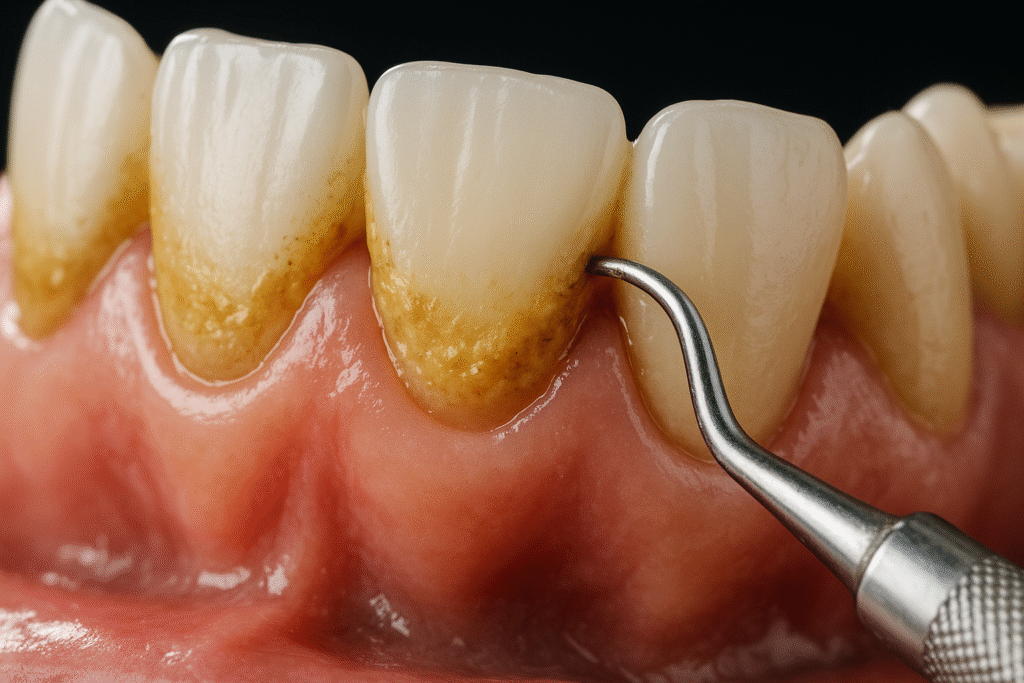
Gums tell a story long before teeth do. They turn red. They look puffy. They bleed easily when brushed. Many people think this is normal. It isn’t. Gums should not bleed every day. And they shouldn’t feel sore without reason. Early gum irritation often comes from plaque buildup or brushing too hard but it can also signal gum disease starting to form.
When Gum Issues Need Professional Treatment
If your gums stay swollen for more than a week something is wrong. A deep cleaning might be needed. A hidden pocket might be collecting bacteria. Or maybe your brushing technique is causing constant irritation. A dentist can spot the cause fast and prevent long term damage.
Tooth Sensitivity That Keeps Getting Worse
A sharp twinge when you drink something cold is common. But when that sensation becomes frequent it means the enamel is wearing down. Sometimes it’s from grinding your teeth. Sometimes it’s from acidic foods. Sometimes it’s from gum recession exposing the root. Sensitivity doesn’t fix itself. It gets worse over time.
What Helps Reduce Sensitivity
Switching toothpaste helps. Using a soft brush matters too. But the most important step is finding the real cause. Your dentist can check for cracks erosion or gum recession. Fixing the root problem keeps the sensitivity from becoming unbearable.
How Unexpected Swelling Connects to Oral Healing
Swelling inside the mouth can start for many reasons. Sometimes it’s minor. Other times it points to inflammation or infection. One of the most confusing moments for patients is when swelling happens after a dental procedure. Many aren’t ready for how their body reacts especially during healing which is why things like after extraction swelling often take people by surprise.
When After Extraction Swelling Becomes a Red Flag
Some puffiness is totally normal after a tooth gets removed. The area gets protective. Fluid collects. Tissue swells. Most of the swelling peaks in the first few days then slowly settles. Cold compresses help. Rest helps. But if the swelling keeps getting worse or feels hot or painful it might signal infection. That’s when you call your dentist quickly.
Strange Spots or Patches on the Tongue
Your tongue reflects your overall oral health. White patches. Red spots. Burning sensations. These things might come from irritation. But they can also signal infection or nutritional deficiencies. Most people ignore tongue problems because they expect them to fade. Many do. But not all.
When Tongue Changes Need a Checkup
If you see a spot that doesn’t heal in two weeks you should get it examined. Consistent irritation can come from sharp teeth, spicy foods or dehydration. But long lasting patches need attention to rule out anything serious. Early checks make all the difference.
Final Thoughts on Warning Signs You Should Never Ignore
Your mouth rarely stays silent when something is wrong. It gives plenty of clues. You just need to notice them. Bumps swelling, bleeding irritation or recurring discomfort all deserve attention. The sooner you understand what your mouth is trying to say the easier the treatment becomes.
What You Can Start Doing Today
Watch for new signs. Follow them for a few days. If they don’t improve, call your dentist. Gentle care and quick attention prevent bigger problems later. Your mouth works nonstop for you. A little awareness keeps it healthy for the long run.
FAQs
Why does my mouth show warning signs so early?
Your mouth is sensitive and always active, so even small irritations feel noticeable. Early signs appear quickly because the tissue reacts fast to pressure, injury, or bacteria.
Are mouth blood bubbles dangerous?
Most mouth blood bubbles are harmless and form after minor trauma like biting your cheek. They usually heal on their own. If they keep coming back, a dentist should check the area.
How do I know if after-extraction swelling is normal?
Mild swelling for the first two or three days is expected. If the swelling keeps getting worse, feels hot, or becomes painful, it could be a sign of infection.
When should I worry about gum irritation?
If your gums stay red, swollen, or bleed for more than a week, you should get them checked. These signs can point to early gum disease or trapped bacteria.
For more details please visit nail fungus.