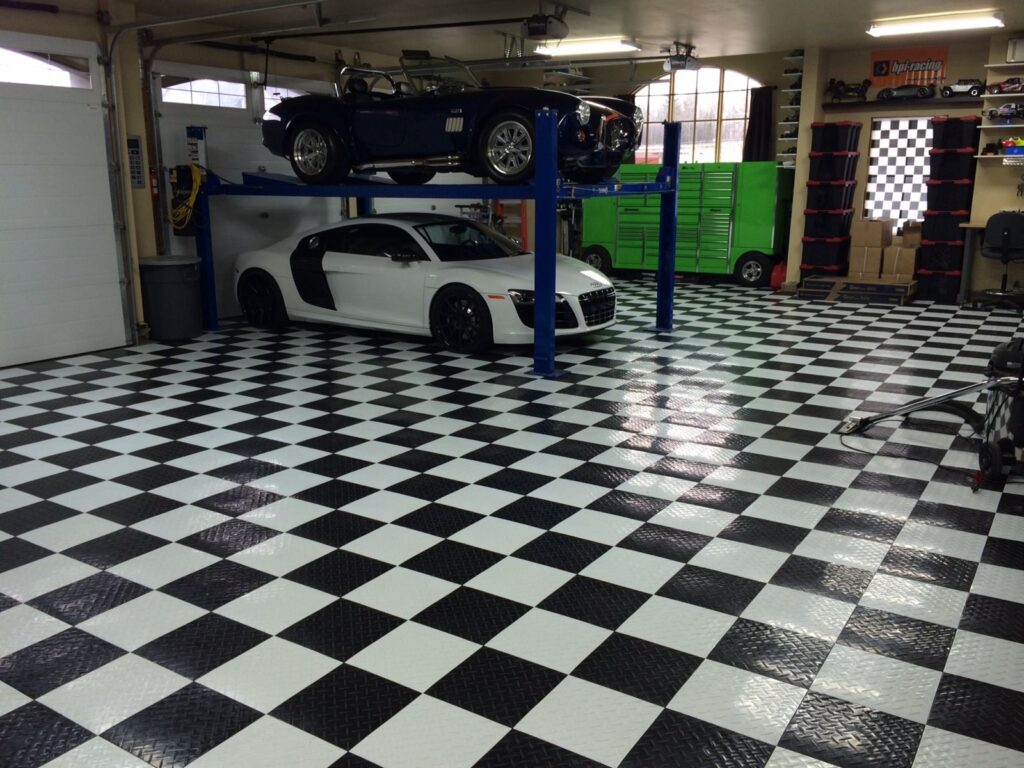

Look at your garage floor right now. What do you see? Probably stains, cracks, and that depressing grey concrete. Most of us never really think about garage floors. We just accept them as they are. Stained and ugly? That’s normal, right?
Wrong. Your garage is worth more attention than that. Think about what’s in there expensive cars, tools, equipment. Maybe thousands of dollars’ worth of stuff.
So why is the floor the most neglected part? It doesn’t make sense when you think about it.
My garage used to look terrible. Every morning I’d walk in and feel instantly depressed by the dingy concrete. Those cracks spreading everywhere? They looked like a roadmap to nowhere good. Oil stains created these dark, permanent marks. I tried everything to clean them. Nothing worked because the concrete had soaked it all up like a sponge.
Then something changed. I discovered these amazing modern coating systems that actually work. Not the cheap paint your dad used that peeled off in six months.
These new systems completely transform ugly concrete into something you’d see in a fancy showroom. They last for decades, not months. When I started researching seriously, I learned that the best epoxy garage floor coating options combine incredible durability with looks that’ll make your neighbors jealous turning forgotten spaces into areas you’ll actually want to show off.
Your Garage Floor Actually Matters (Here’s Why)
Think about how much time you spend in your garage. Working on projects? Exercising? Just storing all your stuff?
It’s probably more time than you realize. And that floor underneath you? It’s doing damage you can’t even see. Bare concrete is like a sponge. It soaks up everything. Motor oil? Gone straight into the concrete. Antifreeze? Same thing. Transmission fluid? You get the idea.
Those stains aren’t just sitting on top. They’ve penetrated deep into the porous surface. That’s why scrubbing never works, no matter how hard you try.
Here’s something that might surprise you. That grey dust covering your car? That’s your concrete floor literally disintegrating.
Every footstep, every tire rotation it all breaks down the concrete at a microscopic level. Tiny particles float into the air constantly. You’re breathing it. Your family’s breathing it.
Moisture is another silent problem. Concrete pulls water up from the ground through something called capillary action. Sounds technical, but it just means your concrete is constantly wicking moisture upward.
That moisture evaporates into your garage. It raises humidity levels way higher than they should be. High humidity ruins everything you store, promotes rust, and creates those musty smells nobody likes.
Temperature swings stress unprotected concrete every single day. Freezing, thawing, heating up, cooling down. This constant expansion and contraction creates stress fractures.
Those hairline cracks you see? They’ll become major problems eventually. Water gets in, freezes, expands, and boom bigger cracks appear.
Today’s Floor Coatings Are Nothing Like Old Paint
Forget everything you know about garage floor paint. Modern coatings are completely different animals.
These aren’t products that just sit on top of concrete. They actually penetrate and create chemical bonds with the surface. That means they become part of the floor itself.
Old paint peeled because it never bonded properly. It just dried on the surface. Modern coatings cure through actual chemical reactions.
Thickness makes a massive difference here. Those thin paint layers wore through in months. Quality coating systems apply in multiple thick layers.
Some systems go on 10-20 times thicker than paint. That thickness provides real protection against impacts, chemicals, and daily wear.
The curing process takes days, not hours. This isn’t just drying time. Chemical reactions are happening that create incredibly hard surfaces.
UV stability matters more than most people realize. Some products yellow and fade when exposed to sunlight. Quality coatings maintain their color indefinitely, even with garage door open daily.
Chemical resistance protects against everything garages throw at floors. Automotive fluids, cleaning products, battery acid nothing phases these coatings.
Your floor won’t stain when you do oil changes anymore. Spills wipe right up before they cause any damage.
Why Epoxy Dominates the Garage Floor World
Epoxy has become the gold standard. There are good reasons why everyone talks about epoxy coatings.
These systems mix two components together—resin and hardener. When combined, they trigger chemical reactions creating surfaces harder than the concrete underneath.
The curing takes several days to complete fully. Patience pays off because the result is incredibly tough. Hot tires from highway driving? They won’t leave any marks.
Drop a wrench? Your floor won’t chip. Roll heavy equipment across it? No damage happens.
Color options have exploded in recent years. You’re not stuck with boring grey or tan anymore. Vibrant blues, deep reds, sophisticated earth tones it’s all available now.
Want something really cool? Decorative flakes change the whole look. These colored chips get broadcast onto wet epoxy. They create these awesome speckled patterns that hide imperfections.
Plus, those flakes add slip resistance. That’s a safety bonus you don’t get with plain coatings.
Clear topcoats seal everything together like glass. These final layers add protection and create that glossy finish everyone loves. Cleaning becomes ridiculously easy too.
Metallic Coatings Create Jaw-Dropping Floors
Want your garage to look absolutely incredible? Metallic floor coating systems create effects that blow people’s minds.
These specialized products incorporate actual metallic pigments. During application, these pigments shift and swirl around. The installer manipulates them to create unique patterns.
The result? It looks like liquid metal got frozen in time. Each installation is completely unique. No two metallic floors ever look identical.
Light plays across these surfaces in the coolest ways. The floor seems to change color as you move around. This depth and dimension is hard to describe until you see it.
Metallic coatings work perfectly for garages that do double duty. Maybe you use yours as a workshop. Maybe it’s an entertaining space. Either way, these floors elevate the entire aesthetic.
Guests always comment on metallic floors. Always. It’s impossible not to notice them.
Application requires real skill though. This isn’t DIY territory for most people. Installers need artistic sense to create the desired effects.
Different techniques produce various results. Some look subtle with gentle shimmer. Others are bold with dramatic swirls and movement.
Color combinations are virtually unlimited. Silver and black looks sleek and modern. Bronze and copper gives warm, rich vibes. Blue and silver creates that high-tech appearance.
Custom color matching is totally possible. Got a specific vision? Experienced installers can make it happen.
Here’s the best part these floors aren’t just beautiful. They’re incredibly durable too. Those metallic pigments suspend in the same tough epoxy resins used everywhere else.
You get showroom looks with industrial-strength performance. Best of both worlds, really.
Polyaspartic: The Speedster of Floor Coatings
Polyaspartic systems represent cutting-edge technology. These products cure way faster than traditional epoxy.
Speed matters more than you might think. Your garage is out of commission during installation. Less downtime means less disruption to your life.
Some polyaspartic systems allow vehicle traffic within 24 hours. Compare that to epoxy needing several days of curing. That’s a huge practical advantage.
UV resistance blows epoxy away. Polyaspartic coatings will never yellow, even with massive windows and constant sun exposure. If your garage gets lots of natural light, this matters tremendously.
Temperature flexibility during application is impressive too. These coatings work in much colder conditions than epoxy. This extends the installation season significantly in northern climates.
The downside? Cost, plain and simple. Polyaspartic systems cost noticeably more than comparable epoxy installations. Sometimes 50% more or even double.
Many homeowners find the benefits worth the premium. But it’s definitely something to consider when budgeting.
Working time is shorter with these products. Once mixed, installers must move fast. The coating starts curing quickly, so there’s less room for error.
This requires more skill and experience. Not every installer can handle polyaspartic products properly.
Preparation Determines Everything
Surface prep is more important than the coating itself. Let that sink in for a minute.
Skip preparation steps, and your coating will fail. Doesn’t matter how expensive or high-quality the product is. Poor prep equals guaranteed failure.
Concrete must be completely clean. And I mean completely. All oil, grease, dirt, and contaminants must go. Even tiny spots prevent proper adhesion.
Diamond grinding is the professional approach. These machines remove the top layer of concrete mechanically. They open up the pores and reveal fresh, clean surface.
Grinding also smooths uneven areas. It removes old coatings if they exist. The result is ideal for new coating adhesion.
Acid etching offers a chemical alternative. Muriatic acid opens concrete pores through chemical reaction. This works great on newer concrete without heavy contamination.
You’ll know it’s working when the concrete fizzes. The acid literally eats away the surface layer. Proper neutralizing and rinsing is critical afterward.
Crack repair prevents problems from showing through. Small cracks get filled with specialized epoxy crack fillers. These flexible fillers move with the concrete.
Larger cracks need routing first. Installers cut V-grooves along the crack, then fill them. This provides more surface area for better adhesion.
Moisture testing is absolutely non-negotiable. Coatings fail on concrete with excessive moisture problems. Period. No exceptions.
Simple tests determine if your slab is dry enough. Plastic sheeting taped down for 24 hours shows moisture issues. Condensation underneath means you’ve got problems.
Should You DIY or Hire Professionals?
This question deserves serious thought. DIY kits promise easy application and big savings. Reality rarely matches those promises.
Professional installations cost way more than DIY kits. Sometimes three to four times more. That’s a significant price difference that gets people’s attention.
But pros bring experience you can’t buy in a box. They’ve done hundreds of floors. They know what works and what doesn’t.
Proper equipment makes enormous differences in results. Professionals own diamond grinders that cost thousands of dollars. They have industrial ventilation systems and specialized tools.
Could you rent some equipment? Sure. But using it properly requires skill developed over time. First-time users make mistakes that affect results.
Application technique separates good floors from great floors. Professional floor coating contractors understand how different products behave under various conditions they’ve learned through trial and error what homeowners can’t possibly know from reading instructions.
Temperature and humidity control during application is crucial. Professionals monitor conditions constantly. They adjust their process based on what they’re seeing.
They know when conditions are unsuitable for coating. Homeowners often don’t realize this until problems appear later.
Warranty coverage provides massive peace of mind. If something goes wrong with professional installations, they fix it free. No arguments, no additional costs. DIY projects leave you holding the bag completely. Problems become your problem to solve and fund.
Time commitment for DIY exceeds most estimates wildly. Between prep, application, and curing, your garage is unusable for at least a week. Often longer.
Keeping Your Floor Looking Amazing
Good news here coated floors are stupid easy to maintain. Way easier than bare concrete ever was.
Regular sweeping prevents dirt buildup. Just a few minutes weekly keeps your floor looking fresh. Those fine particles act like sandpaper if left to grind around.
Damp mopping handles most cleaning perfectly. Use mild detergent or pH-neutral cleaners designed for coated floors. Harsh chemicals aren’t necessary and might even cause damage.
Spot clean spills promptly. While quality coatings resist most chemicals, why take chances? Quick cleanup eliminates any possible issues.
Avoid metal scrapers or abrasive pads. These tools can scratch even durable coatings. Soft brushes or plastic scrapers work much better for stubborn spots.
Consider floor mats under vehicles during winter. Road salt tracked in on tires can be aggressive over time. Mats contain the mess and protect your investment.
Reapply topcoat layers every few years in high-traffic spots. This simple maintenance refreshes appearance dramatically. It’s inexpensive and extends your coating’s life significantly.
What You’ll Actually Pay
Garage floor coatings represent real investments. Understanding costs helps with budgeting and decision-making.
DIY kits for typical two-car garages cost $200-$500. Seems economical until you factor in time, effort, and risk. Results vary dramatically based on your skill level.
Professional epoxy installations range from $3-$12 per square foot. Prices depend on coating quality, layer count, and decorative elements. A standard 400-square-foot garage might run $1,200-$4,800 professionally done.
Metallic and polyaspartic systems command premium pricing. Expect $8-$15 per square foot for these specialized coatings. The unique looks and performance justify higher costs for many homeowners.
Return on investment extends way beyond dollars though. Quality floor coatings increase home value noticeably. Real estate agents consistently report that finished garages attract significantly more buyer interest.
Longevity makes coatings economical long-term. Properly installed systems last 15-20 years or more. Compare this to repainting every few years with inferior products.
Design Ideas That Actually Work
Your floor doesn’t have to be boring solid color. Creative designs transform garages into exceptional spaces.
Color flake systems offer endless customization options. Mix multiple flake colors to match your personal style. Go subtle with similar shades or bold with dramatic contrasts.
Borders and patterns add serious sophistication. Different colors can define work areas, parking spaces, or storage zones. These visual divisions improve functionality while looking fantastic.
Logo integration personalizes your space completely. Sports team logos, car manufacturer emblems, custom designs anything’s possible. These details make your garage uniquely yours.
Combine flooring with wall treatments for cohesive design. Color-coordinated walls, cabinets, and floors create polished, professional vibes. Your garage becomes an extension of your home’s living space.
Lighting considerations matter when selecting colors. Lighter floors reflect more light, brightening the entire garage naturally. Darker colors create dramatic, sophisticated moods but require more lighting.
Common Worries (And Why They’re Overblown)
Many homeowners hesitate because of misconceptions. Let’s tackle the most common concerns head-on.
Slipperiness worries lots of people. Yes, glossy coatings can be slick when wet. But adding texture completely eliminates this issue.
Broadcast flakes provide excellent traction. Non-slip additives work too. Textured topcoats offer another solution. You’ve got options.
Temperature extremes don’t damage quality coatings at all. They’re engineered to withstand freezing winters and scorching summers. Thermal expansion and contraction won’t cause problems in properly installed systems.
Complicated maintenance scares some folks unnecessarily. These floors actually require less work than bare concrete. Quick cleaning keeps them perfect with minimal effort.
Permanent commitment concerns are totally overblown. Yes, removing coatings requires effort if you change your mind. But it’s absolutely possible.
Most people never want to go back though. Once you experience coated floors, bare concrete feels primitive.
Environmental and Health Stuff
Modern coating systems are greener than ever before. Manufacturers have responded to consumer demands for environmentally friendly products.
Low-VOC and zero-VOC formulations minimize harmful emissions significantly. These products are much safer during application and curing. Your family can return to the garage sooner.
Water-based options exist for those avoiding solvents completely. They’re not quite as durable as solvent-based systems. But they work fine for lighter-use garages.
Proper ventilation during installation remains important regardless. Open doors and use fans to ensure adequate air circulation. This protects installers and prevents odor buildup.
Sustainability comes from longevity too. A coating lasting 20 years means fewer resources consumed. Compare that to replacing paint every few years.
Durability is inherently eco-friendly when you think about it.
Making Your Choice
Choosing the right system requires evaluating your actual needs. Think about how you really use your garage.
Work on cars frequently? Chemical resistance becomes absolutely paramount. Look for systems specifically rated for automotive fluids. Don’t compromise here.
For multi-purpose spaces serving as workshops or hobby areas, consider comfort underfoot. Some coatings feel harder than others. Standing for long periods? This matters more than you’d think.
Budget constraints are real for most of us. However, investing in quality pays off long-term. Cheap solutions rarely satisfy anyone.
They often require replacement sooner than expected. Then you’ve paid twice for the same job.
Timeline flexibility affects which systems work best. Need your garage back quickly? Polyaspartic makes perfect sense. No time pressure? Traditional epoxy offers excellent value.
Aesthetic preferences matter more than many people admit. You’ll see this floor every single day for years. Choose something that makes you genuinely happy.
Research installers thoroughly if going professional. Check reviews extensively. View their previous work in person if possible. Verify proper licensing and insurance coverage.
Quality installation makes absolutely all the difference. And when you’re weighing different garage floor solutions, always get detailed written quotes from at least three contractors this ensures you’re getting fair pricing and helps you compare exactly what each installer includes in their service package.
Frequently Asked Questions
How long do these coatings actually last?
Professional-grade epoxy systems last 15-20 years with basic maintenance. Polyaspartic often exceeds 20 years easily. DIY kits vary wildly, usually lasting 3-7 years depending on application quality and how much traffic your garage sees.
Can I just coat over my existing paint?
Nope. Old paint must come off completely first. Coating over paint causes delamination and total failure. Proper prep requires grinding or stripping everything down to bare concrete. No shortcuts here.
When’s the best time to install garage coatings?
Spring and fall offer ideal conditions. Moderate temperatures and lower humidity help coatings cure properly. Most epoxy systems need temperatures between 50-90°F during application and curing. Avoid weather extremes when possible.
Will hot tires mess up my new floor?
Quality epoxy and polyaspartic coatings resist hot tire pickup completely. This was a real problem with older paint systems. Modern coatings cure hard enough to handle tire heat without any marking.
How soon can I actually drive on it?
Standard epoxy needs 5-7 days before vehicle traffic. Polyaspartic systems often allow traffic within just 24 hours. Always follow your specific installer’s recommendations for your particular coating system though.
Do these floors need sealing?
Most systems include clear topcoats that seal and protect everything underneath. Additional sealing isn’t necessary right away. Reapplying topcoat every 3-5 years in high-traffic areas maintains optimal appearance.
Can coatings hide my concrete cracks?
Small hairline cracks can be filled and hidden pretty effectively. Larger structural cracks will telegraph through coatings eventually. Address significant cracking issues before coating for best long-term results.
Are these coatings safe around kids and pets?
Once fully cured, all major coating systems are completely safe. During installation and curing, keep children and pets away entirely. Low-VOC products minimize any exposure concerns during the application process significantly.For more details please visit nail fungus.